August 2026 - Group Updates
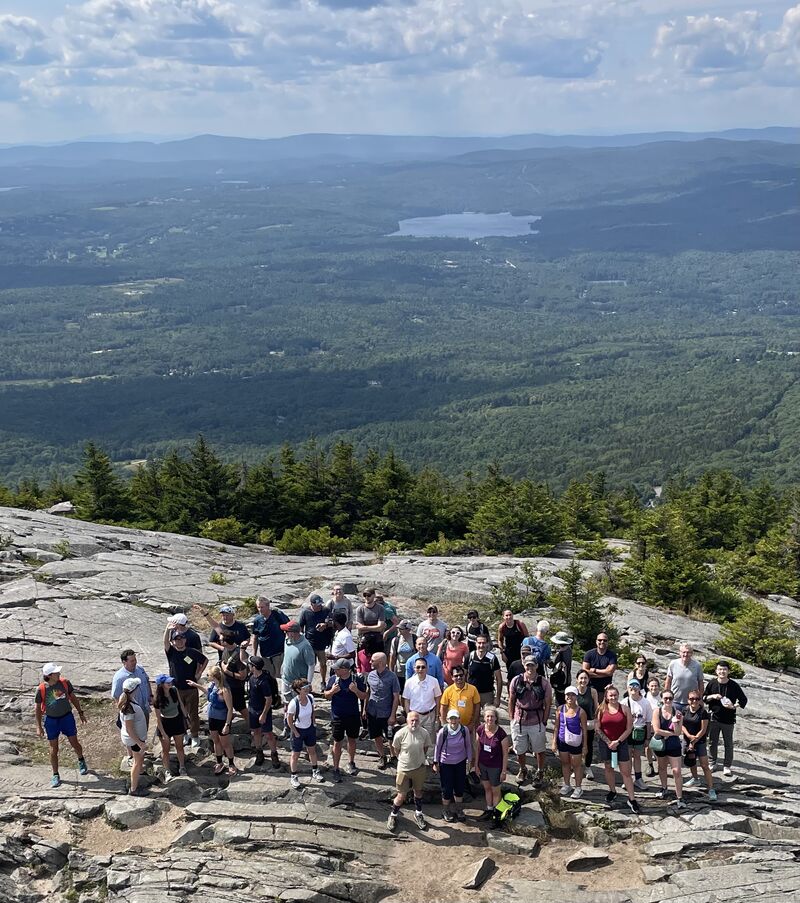
Dr. Tanmay Pati presented a poster highlighting our GlyT2 inhibitor drug discovery research at the 2026 Gordon Research Conference on Medicinal Chemistry at Colby College in New London, NH, USA. Well done Tanmay!
August 2026 - Tinlarebant Advances to FDA Priority Review for Stargardt Disease Type 1
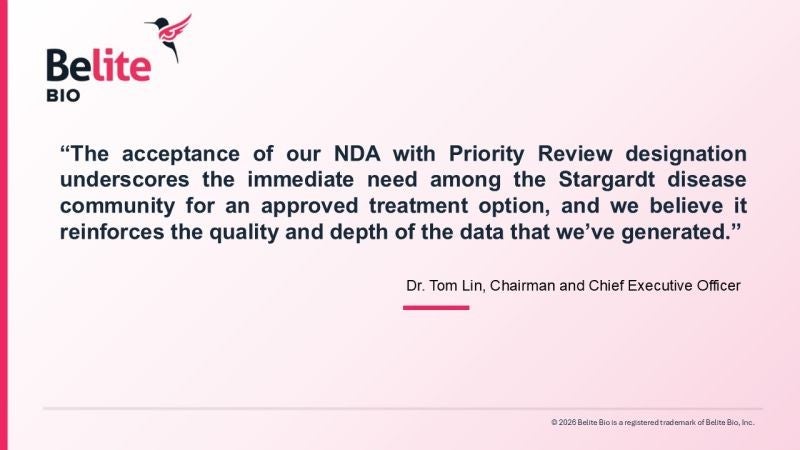
An exciting milestone has been reached for tinlarebant (LBS-008), an oral retinol-binding protein 4 (RBP4) antagonist originally discovered through the NIH Blueprint Neurotherapeutics Network program and developed for the treatment of retinal degenerative diseases. Following positive results from the pivotal Phase 3 DRAGON trial in Stargardt disease type 1 (STGD1), the U.S. Food and Drug Administration (FDA) has accepted the New Drug Application (NDA) for tinlarebant and granted Priority Review, with a PDUFA target action date of February 12, 2027. The Phase 3 study demonstrated a statistically significant and clinically meaningful 35.7% reduction in the growth rate of atrophic retinal lesions compared with placebo. If approved, tinlarebant would become the first FDA-approved treatment for Stargardt disease, representing an important milestone for patients with this progressive inherited retinal disorder and for the RBP4 drug-discovery program that led to tinlarebant.
July 2026 - Benjamin Howard Ph.D. Thesis Defense
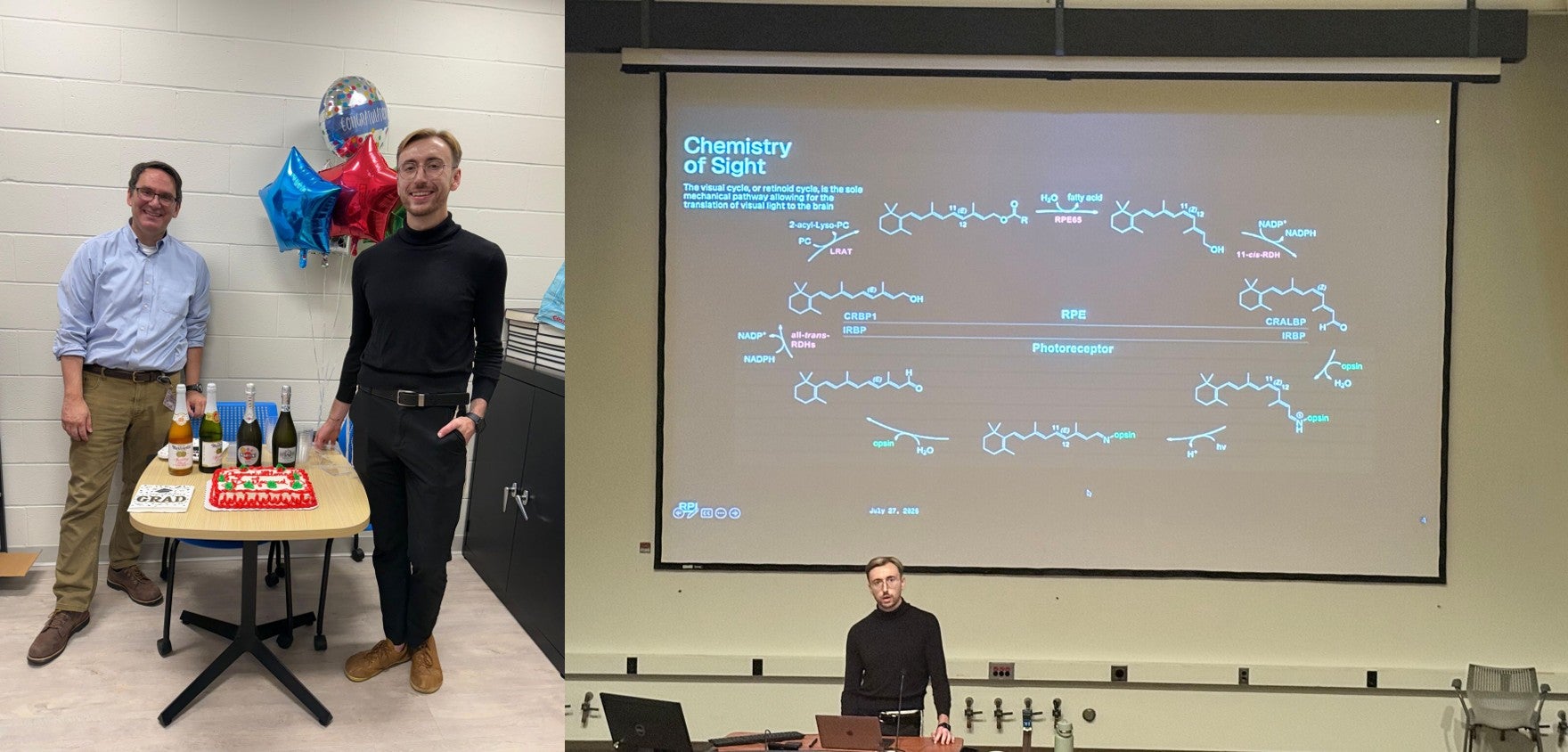
Congratulations to Dr. Benjamin Howard for successfully defending his Ph.D. dissertation on July 27! Benjamin has been an integral member of our RPE65 inhibitor team, which is working toward developing therapeutic agents to treat Stargardt disease and atrophic AMD. Benjamin's hard work, perseverance, and dedication have culminated in an outstanding accomplishment. Congratulations, Dr. Howard! We are very proud of what you have accomplished here at RPI and wish you every success in the next chapter of your career. We have no doubt that you will continue to make meaningful contributions to drug discovery, and we look forward to following all that you accomplish.
May 2026 - GlyT2 Project Media
Our GlyT2 inhibitor project has garnered media attention this year. To learn more about the project and our collaboration. please visit the following links:
RPI researchers develop new approach treating chronic neuropathic pain without side effects:
A pain drug dangerous because it wouldn't let go:
https://sciencenews.dk/en/a-pain-drug-became-dangerous-because-it-wouldnt-let-go
RPI researchers seek opioid-free treatment to help people with pain:
A reversible allosteric inhibitor of GlyT2 for neuropathic pain without on-target side effects:
May 2026 - Group Update
Congratulations to Surya Krishnakumar for successfully obtaining his M.S. degree! Surya will be attending graduate school to pursue a Ph.D. within the Department of Medicinal Chemistry at the University of Kansas. Well done Surya and congratulations!
April 2026 - Publication Updates
We are excited to announce the publication of our latest research in the Journal of Medicinal Chemistry:
“Identification of Non-Competitive and Reversible Inhibitors of Glycine Transporter 2: A Promising Non-Opioid Therapeutic Strategy for Neuropathic Pain.”
Journal of Medicinal Chemistry 2026, 69, 10278–10314.
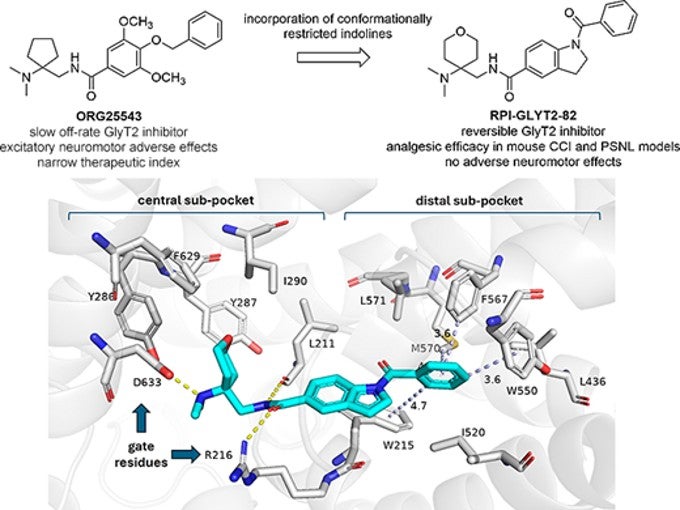
Our recent Journal of Medicinal Chemistry paper reports the discovery and optimization of a new series of reversible glycine transporter 2 (GlyT2) inhibitors as potential non-opioid therapeutics for neuropathic pain. Through systematic medicinal chemistry and structure–activity/property relationship studies, we identified compounds with improved GlyT2 potency, reversibility, metabolic stability, and pharmacokinetic properties. Lead compounds, including ACPHS-GLYT2-29 and RPI-GLYT2-82, produced robust analgesic activity in mouse models of neuropathic pain without the adverse neuromotor effects associated with potent, pseudo-irreversible GlyT2 inhibition. The work establishes a medicinal chemistry framework for balancing GlyT2 potency, reversibility, CNS exposure, and safety and provides a foundation for developing next-generation GlyT2 inhibitors as non-opioid treatments for chronic neuropathic pain.
March 2026 - Arthur G. Schultz Memorial Symposium
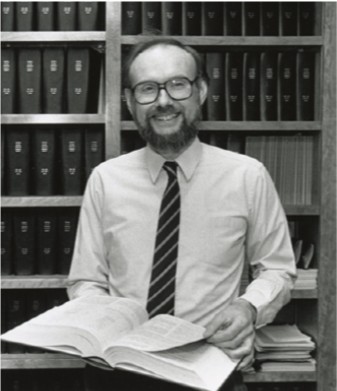
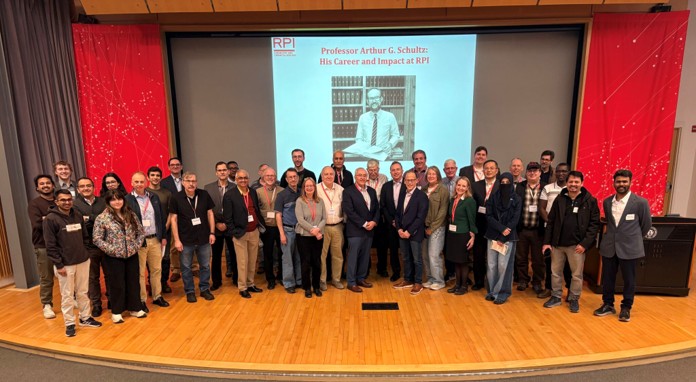
The Arthur G. Schultz Memorial Symposium (March 9th) was a truly outstanding celebration of scientific excellence, mentorship, and community within RPI’s Department of Chemistry and Chemical Biology. Held in the CBIS Auditorium, the event brought together alumni, faculty, students, and postdoctoral researchers to honor Professor Schultz’s lasting impact on organic chemistry and on the careers of generations of scientists.
The symposium featured a full day of engaging scientific presentations delivered by accomplished former members of the Schultz research group, whose talks spanned modern advances in synthetic chemistry, medicinal chemistry, materials science, and polymer chemistry. Speakers reflected not only on cutting-edge research but also on the profound influence Professor Schultz had on their professional journeys. A networking luncheon and reception further fostered meaningful conversations between trainees and distinguished alumni, creating a vibrant atmosphere of mentorship and career guidance.
Overall, the symposium was both scientifically inspiring and personally meaningful — a fitting tribute to Professor Schultz’s legacy as a scholar, mentor, and educator whose influence continues to shape the field and the scientists within it.
February 2026 - Publication Updates
We are excited to announce the publication of our latest research in Nature Communications:
“A reversible allosteric inhibitor of GlyT2 for neuropathic pain without on-target side effects.”
https://www.nature.com/articles/s41467-026-69616-5
In this study, we report cryo-EM structures of human GlyT2 captured in multiple functional states, including complexes with our reversible inhibitor RPI-GLYT2-82. These structures reveal the molecular basis of allosteric inhibition and provide the first detailed framework for rational drug design targeting GlyT2.
Importantly, our findings demonstrate that reversible GlyT2 inhibition can produce robust analgesic efficacy in preclinical neuropathic pain models while avoiding the motor toxicity and adverse effects historically associated with irreversible inhibitors. This work establishes a mechanistic and structural foundation for the development of next-generation, non-opioid therapeutics for neuropathic pain.
This achievement reflects a collaborative effort spanning medicinal chemistry, structural biology, and in vivo pharmacology. We are grateful to our collaborators and funding partners who made this work possible.
January 2026 - Group Updates
The group welcomes our newest member, Ph.D. Graduate Student Faiza Younas. Welcome Faiza, we are very glad to have you on board!
December 2025 - Update
Positive topline Phase 3 data (DRAGON I) for tinlarebant (LBS-008) were announced by Belite Bio:
As one of the original medicinal chemists involved in the design, optimization, and early development of tinlarebant, it is exceptionally rewarding to see this first-in-class systemic RBP4 antagonist reach a pivotal clinical milestone. Tinlarebant’s mechanism, modulation of the visual cycle through reduction of circulating RBP4 and suppression of retinoid flux to the retina, offers a fundamentally different therapeutic approach for Stargardt disease, a devastating condition previously lacking any approved treatment options.
I would like to congratulate the leader of this program, Konstantin Petrukhin, and colleagues in the Department of Ophthalmology at Columbia University, whose foundational work elucidating the role of RBP4 and the retinoid cycle established the scientific basis for this modality.
I also acknowledge the critical contributions of the NIH Blueprint for Neurotherapeutics Network (BPN), whose multidisciplinary lead-development team, led by Charles Cywin, supported the advancement of this program from hit identification and medicinal chemistry optimization through to IND-enabling studies and early clinical entry.
Congratulations also go to the exceptional drug discovery, DMPK, and development teams at Curia, whose efforts were central to the identification and optimization of tinlarebant’s chemical series.
Finally, congratulations to Belite Bio and Lin Bioscience for executing the clinical development that has brought the program to this important juncture.
It has been a privilege to see this discovery advance from mechanistic concept to late-stage clinical success.
November 2025 - Update
Drug Hunter now provides a case study of tinlarebant, check it out!
https://drughunter.com/molecule/tinlarebant
September 2025 - Group Updates
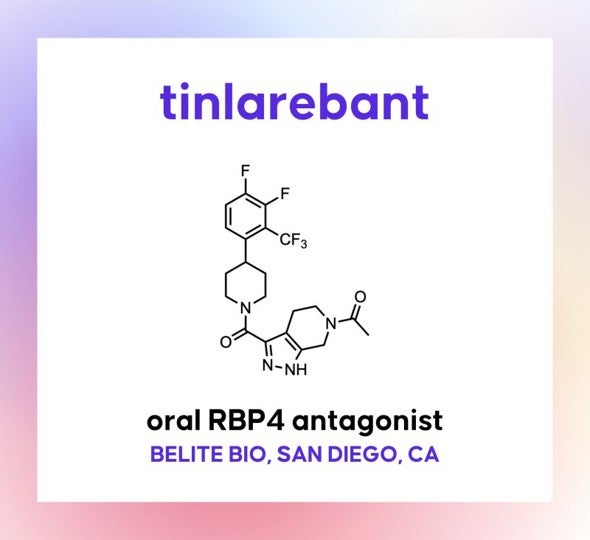
Belite Bio has recently completed the DRAGON 1 Phase 3 clinical trial of tinlarebant, a selective RBP4 antagonist currently in clinical development for the treatment of Stargardt disease and atrophic age-related macular degeneration (AMD). To learn more, please use the link below:
August 2025 - Group Updates
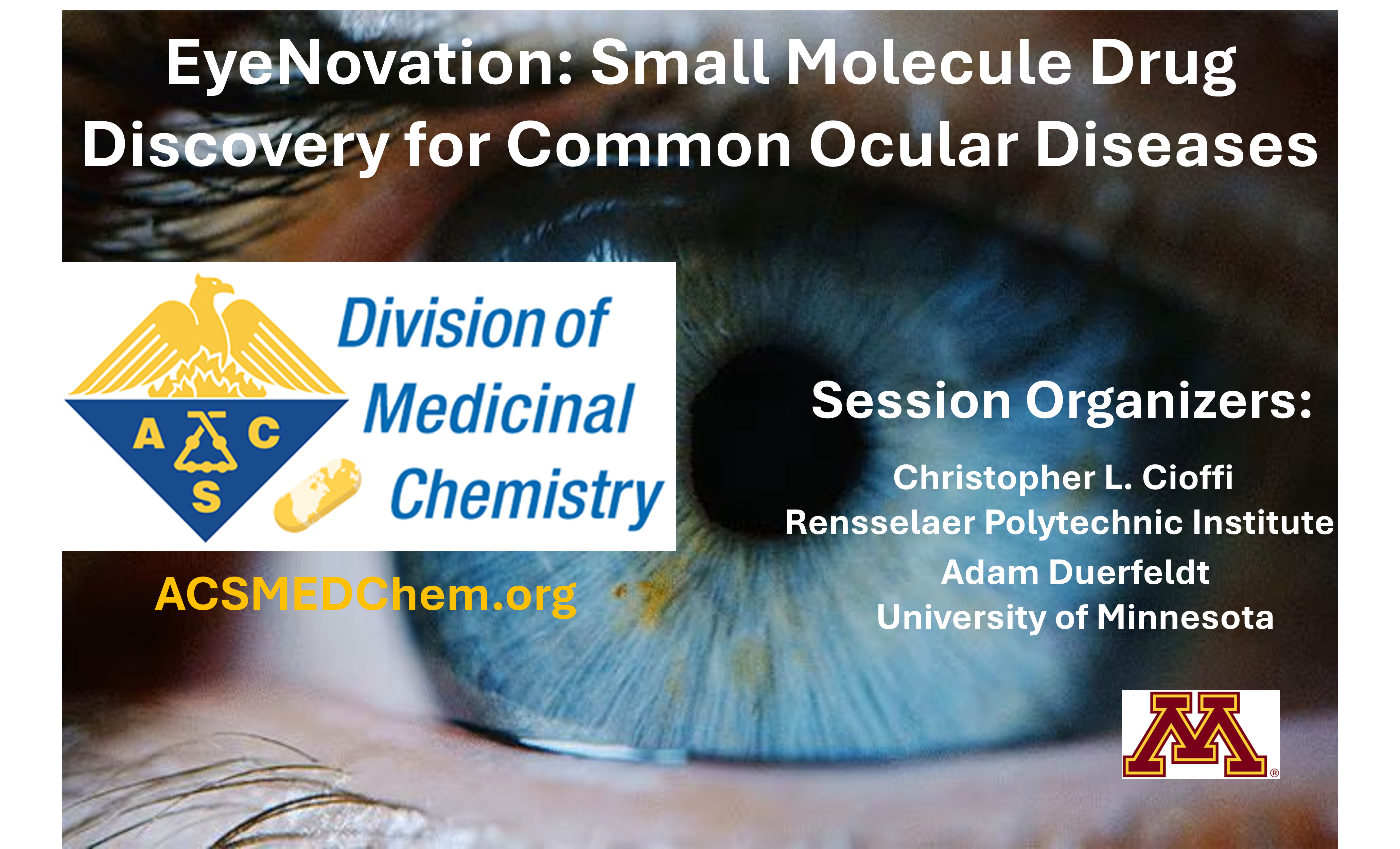
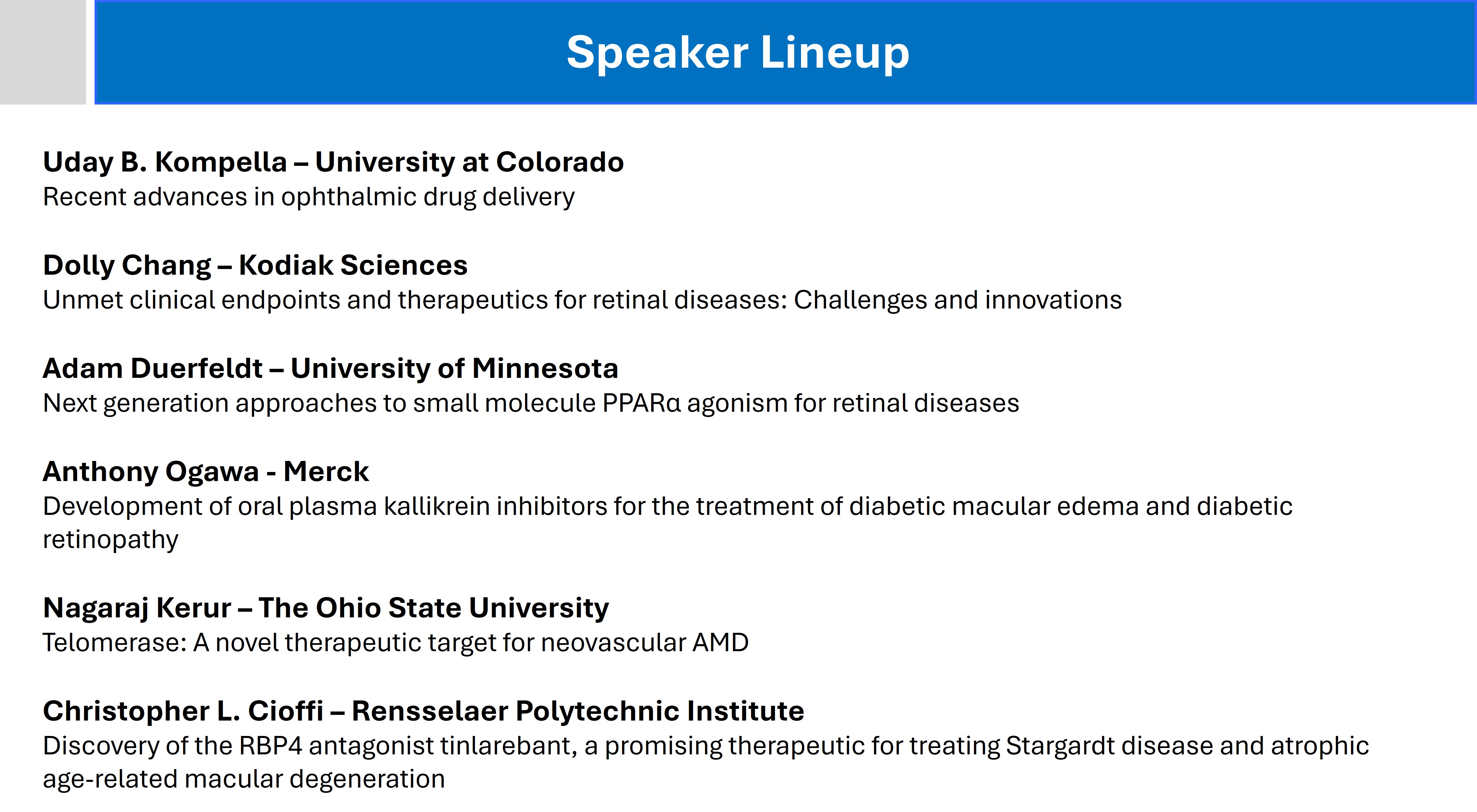
EyeNovation: Small Molecule Drug Discovery for Common Ocular Diseases, an ACS MEDI Division symposium co-organized by Christopher Cioffi and Adam Duerfeldt, was held on August 19, 2-5:15PM at the 2025 Fall ACS Meeting in Washington D.C.
https://acs.digitellinc.com/live/35/session/563547
August 2025 - Publication Updates
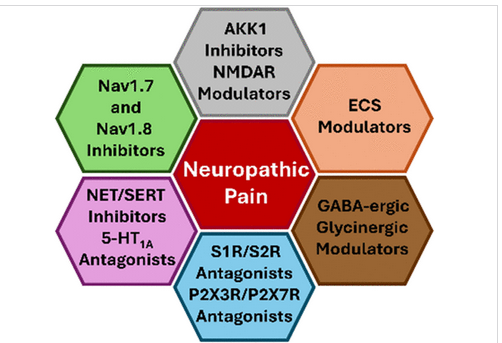
Our group, in collaboration with colleagues at the University of Sydney, recently published a Perspective in the Journal of Medicinal Chemistry highlighting current non-opioid strategies for the treatment of neuropathic pain. This work aligns closely with our ongoing efforts in the GlyT2 inhibitor field, and we look forward to sharing additional publications on our GlyT2 program in the near future. The Perspective can be accessed at the link below:
https://pubs.acs.org/doi/10.1021/acs.jmedchem.5c01126
August 2025 - Group Updates
The group welcomes our newest member, Ph.D. Graduate Student Suman Mishra. Welcome Suman, glad to have you on board!

August 2025 - Group Updates
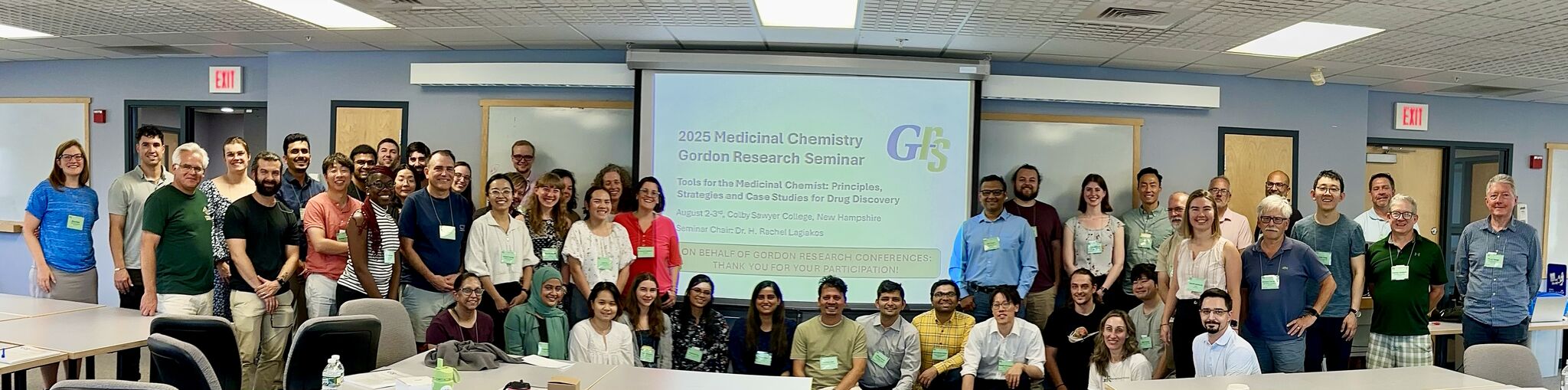
Tanmay Pati presented a poster highlighting our GlyT2 inhibitor drug discovery research at the 2025 Gordon Research Seminar on Medicinal Chemistry at Colby-Sawyer College, New London, NH, USA. Well done Tanmay!
August 2025 - Group Updates
Congratulations to Tanmay Pati! Tanmay was promoted to Research Scientist, a well-deserved recognition.

August 2025 - Group Updates
Congratulations to Carmen-Lucia Vasquez Maldonado! Lucia recently passed her Ph.D. candidacy exam in August and is now working toward her thesis.

August 2025 - Group Updates
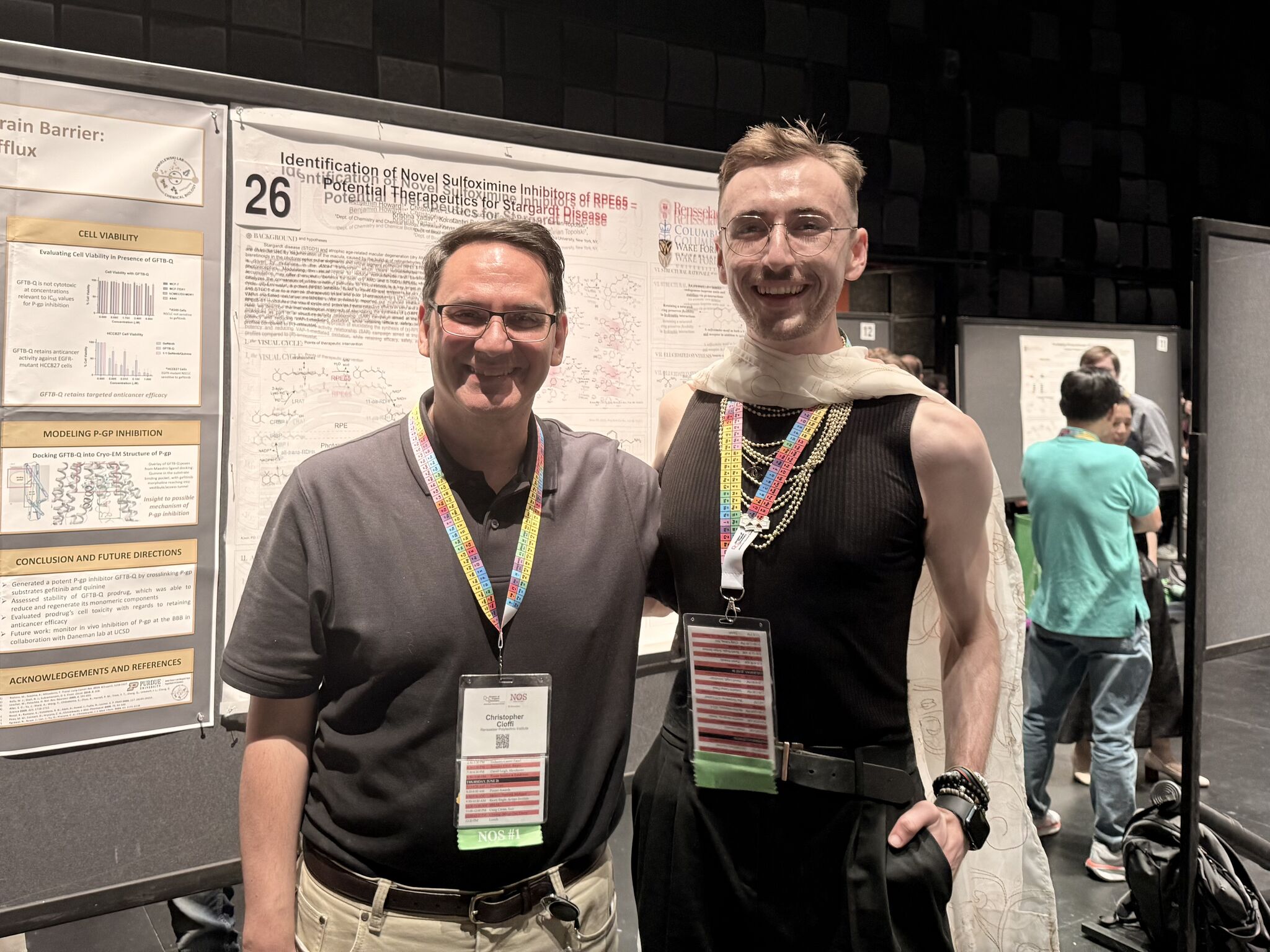
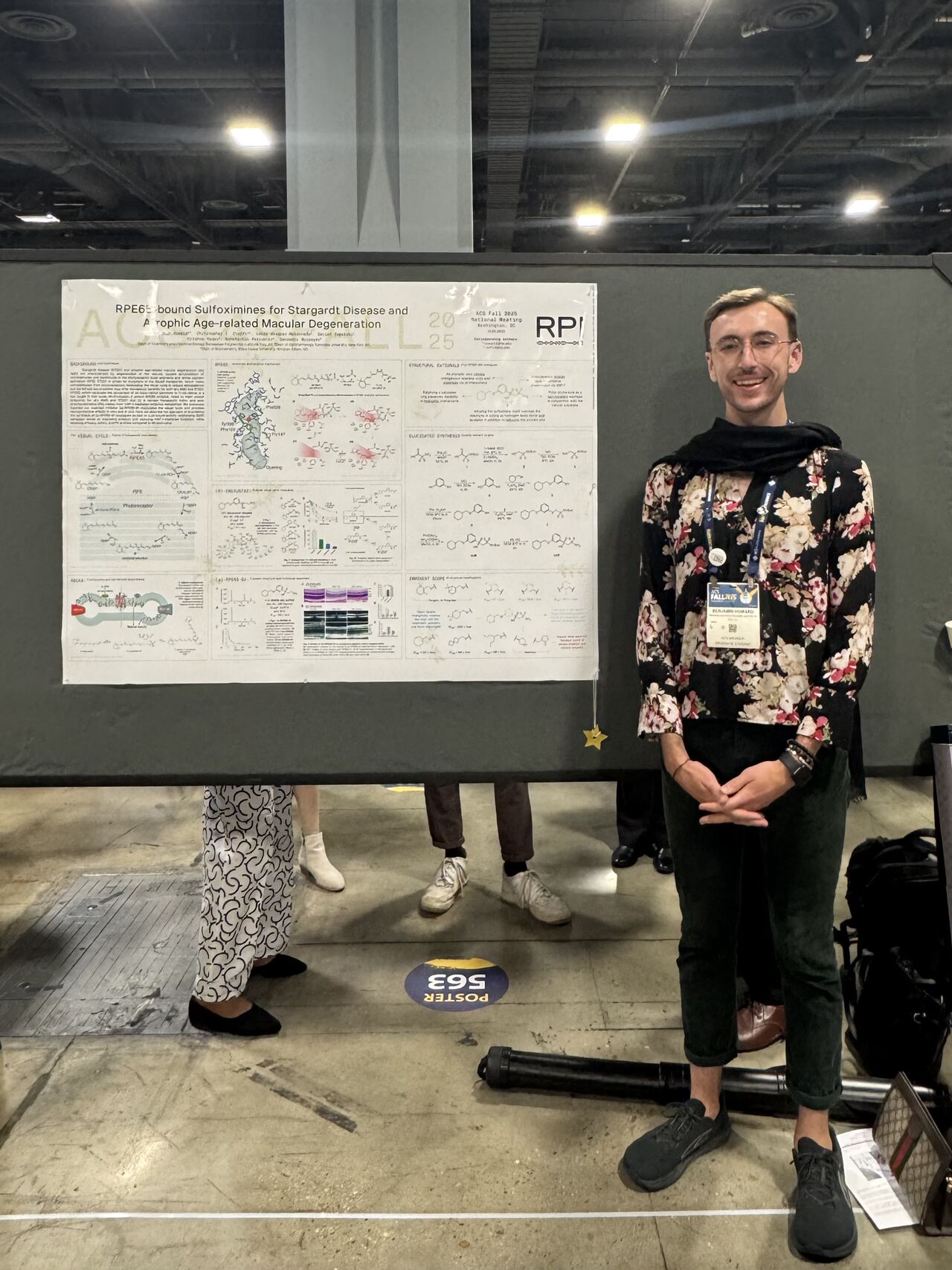
Congratulations to Benjamin Howard! Benjamin presented posters at the 2025 NOS and 2025 Fall ACS Meeting.
June 2025 - 49th National Organic Chemistry Symposium Update
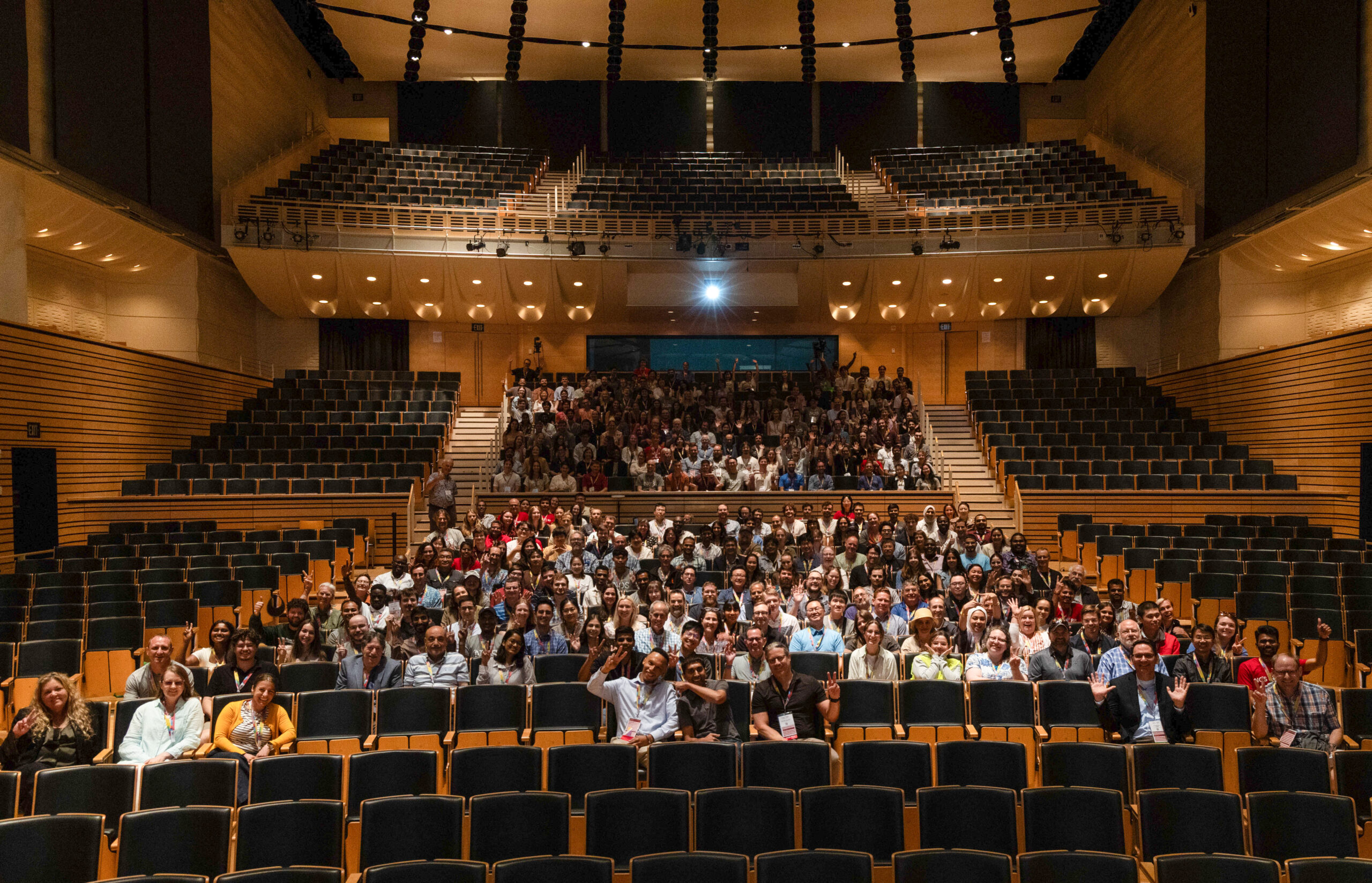
We successfully hosted the 49th National Organic Chemistry Symposium (NOS) (June 22-26). The symposium was a huge success! The week was both delightful and intellectually enriching, filled with engaging and inspiring talks from an outstanding lineup of 17 speakers, fantastic poster sessions, and stimulating sessions and panels. We are also deeply grateful to the RPI staff and volunteers for their exceptional teamwork and dedication throughout the event. We extend our deepest gratitude to Ed, the NOS Committee, and the Division of Organic Chemistry for selecting RPI to host this prestigious symposium. Check out the link below to learn more about the 49th NOS:
https://www.organicdivision.org/noshistory/
May 2025 - Group Update
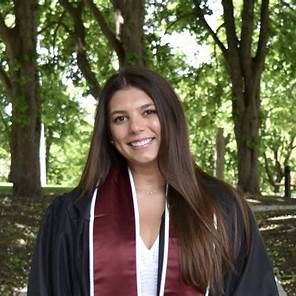
Congratulations to Surya Krishnakumar! Surya obtained his B.S. degree and is now in our group as a M.S. Graduate Student.
May 2025 - Group Update
Congratulations to Darian Topolski! Darian obtained her Master's degree this spring.
April 2025 - Publication Update
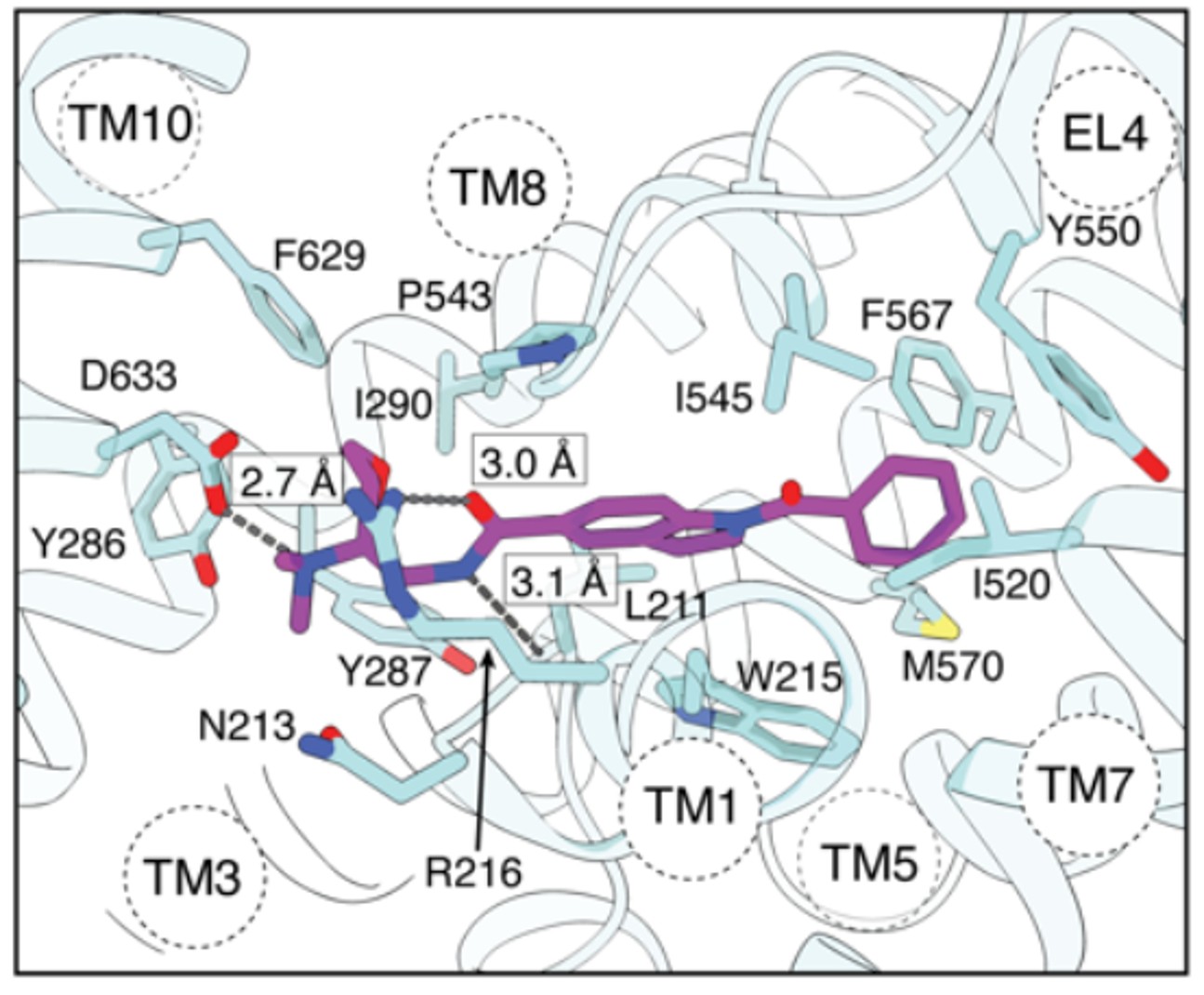
Our group is collaborating with Robert Vandenberg and his team at the University of Sydney, as well as Azadeh Shahzavar and her colleagues at the University of Copenhagen, to develop novel GlyT2 inhibitors as potential therapeutics for neuropathic pain. GlyT2 inhibitors represent a promising non-opioid strategy that enhances inhibitory neurotransmission at the spinal level. Recently, Dr. Shahzavar’s team resolved the cryo-EM structure of GlyT2 in complex with our novel tool compound, RPI-GLYT2-82. This structural insight is providing a foundation for rational design efforts and has enabled the discovery of new analogue series with significant potential for lead optimization and further development. A preprint of this work is available here:
https://www.biorxiv.org/content/10.1101/2025.04.21.649698v1.full
March 2025 - Group Updates
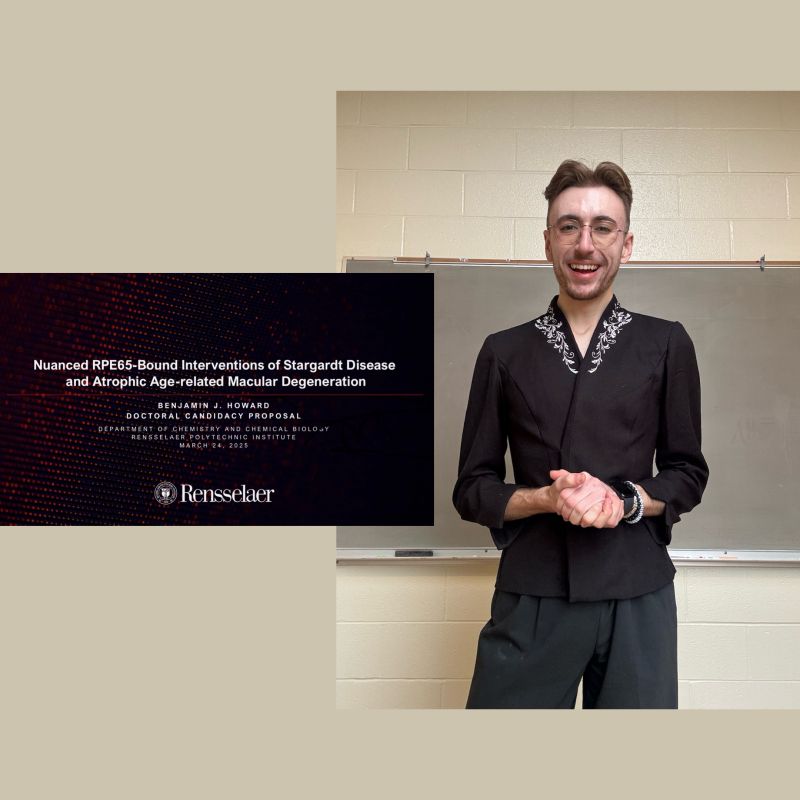
Congratulations to Benjamin Howard! Benjamin recently passed his Ph.D. candidacy exam in March and is now working toward his thesis.
April 2025 - 2025 Chemistry and Chemical Biology Lecture Series
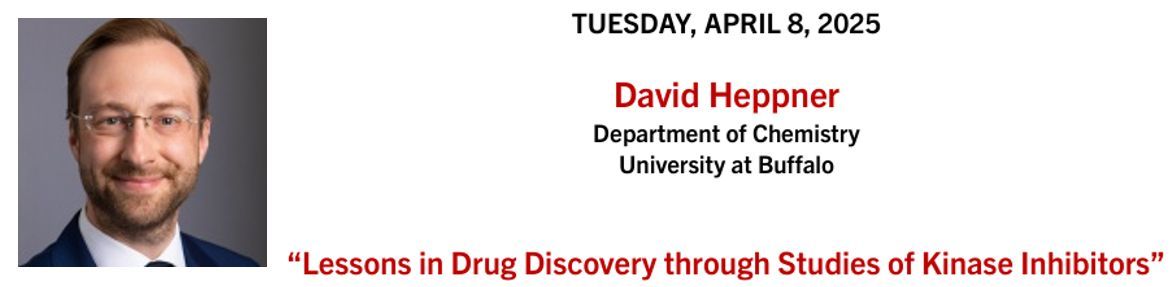
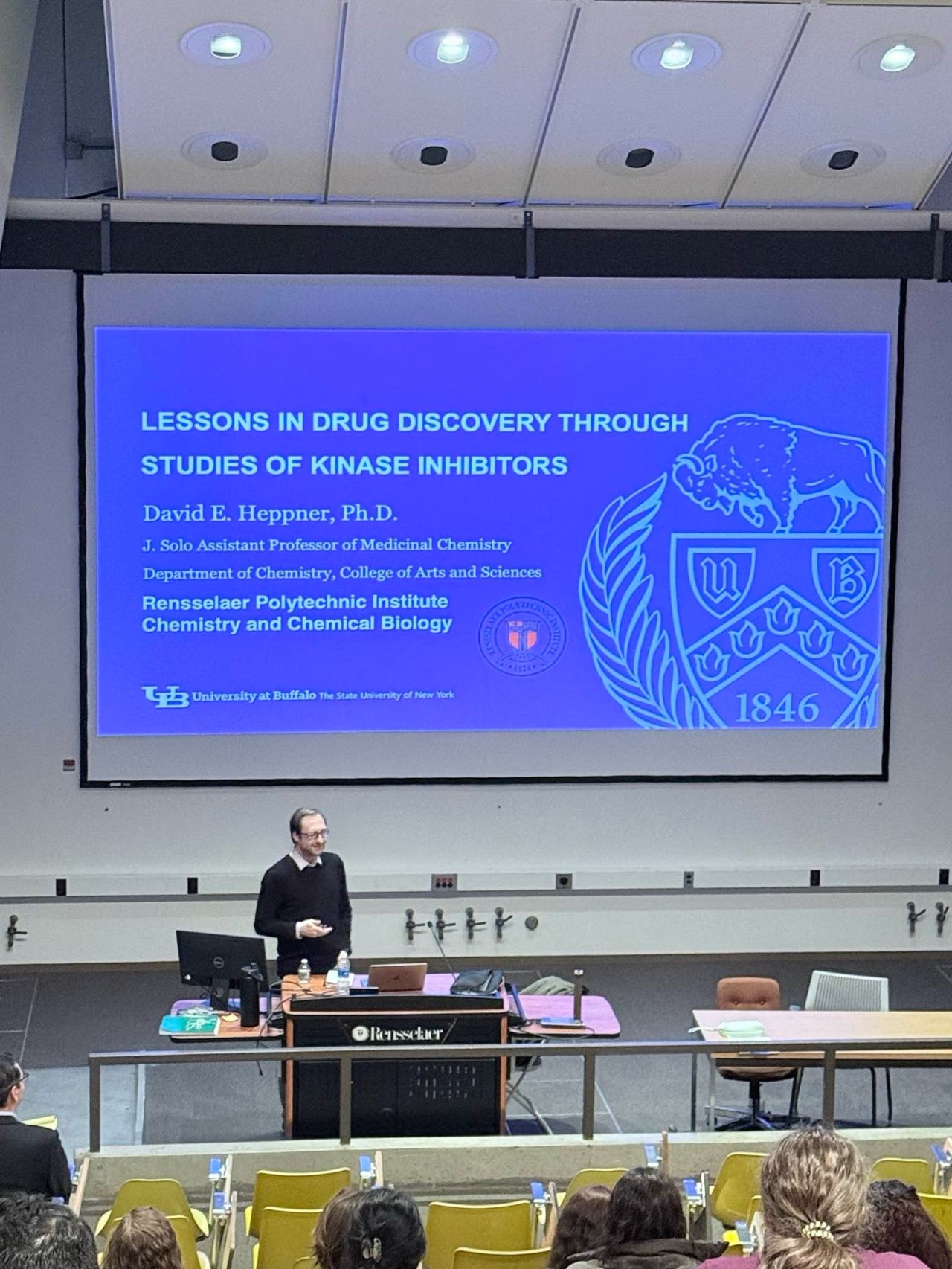
The Rensselaer Polytechnic Institute Department of Chemistry and Chemical Biology was delighted to have David Heppner from the University at Buffalo present a talk this week for our C&CB seminar series. Thank you, Dave, for your fantastic talk that focused on the structure-guided design of potent and mutant selective EGFR inhibitors!
https://lnkd.in/gXxUwVAP
January 2025 - 2025 Sydney Archer Endowed Lecture in Organic and Medicinal Chemistry
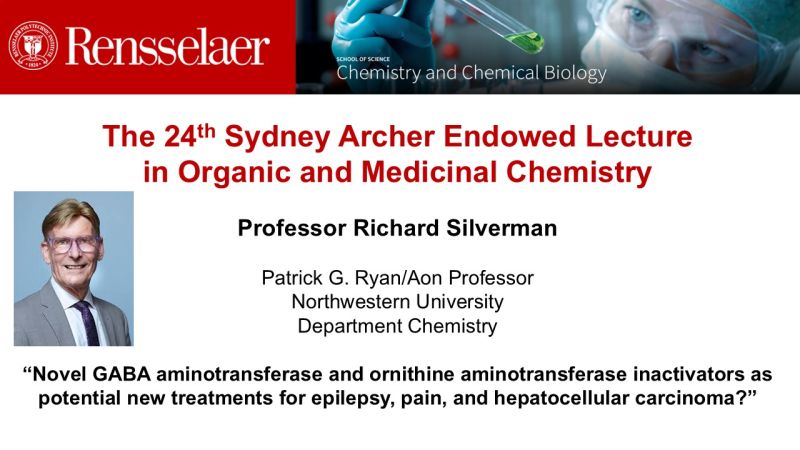
The Rensselaer Polytechnic Institute Department of Chemistry and Chemical Biology was delighted to have Professor Richard B. Silverman from Northwestern University deliver the 24th Sydney Archer Endowed Lecture in Organic and Medicinal Chemistry on January 21, 2025. Thank you Richard for your fantastic talk describing the discovery and development of GABA-AT and OAT inactivators for various CNS indications and hepatocellular carcinoma.
October 2024 - Rensselaer Researcher Seeks New Treatment For Blindness-Causing Diseases
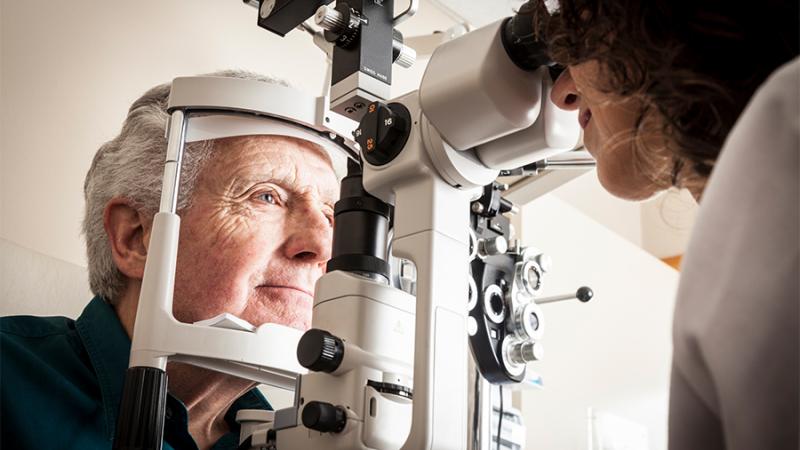
Rensselaer Polytechnic Institute’s Christopher Cioffi, Ph.D., Thomas and Constance D'Ambra Professor in Organic Chemistry, has been collaborating with Konstantin Petrukhin, Ph.D., Professor of Ophthalmic Science at Columbia University, to develop compounds to treat dry age-related macular degeneration (AMD) and Stargardt disease — both blindness-causing diseases.
The team’s work has led to the discovery of an advanced preclinical candidate. Now, Cioffi and Petrukhin have received a $6.4 million grant over five years from the National Institutes of Health’s National Eye Institute to conduct drug development work and investigational new drug (IND)-enabling toxicology studies.
“This award helps us get one step closer to bringing our advanced compound into the clinic,” said Cioffi. “We will assess its ability to slow down disease progression and help preserve vision for Stargardt disease and dry AMD patients.”
https://news.rpi.edu/2024/10/31/rensselaer-researcher-seeks-new-treatment-blindness-causing-diseases
March 2024 - Announcement: 2025 National Organic Chemistry Symposium (NOS) to be Hosted by RPI
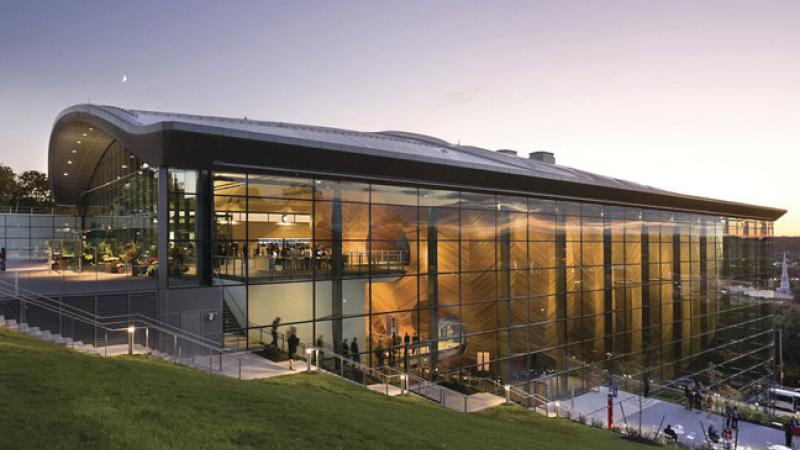
Rensselaer Polytechnic Institute will host the National Organic Chemistry Symposium (NOS) June 22-26, 2025 at the Curtis R. Priem Experimental Media and Performing Arts Center. The NOS is sponsored by Division of Organic Chemistry and will be celebrating its 100th anniversary in 2025.
https://news.rpi.edu/content/2023/11/01/rpi-host-national-organic-chemistry-symposium-2025
https://www.nationalorganicsymposium.org/
March 2024 - 2024 Sydney Archer Endowed Lecture in Organic and Medicinal Chemistry
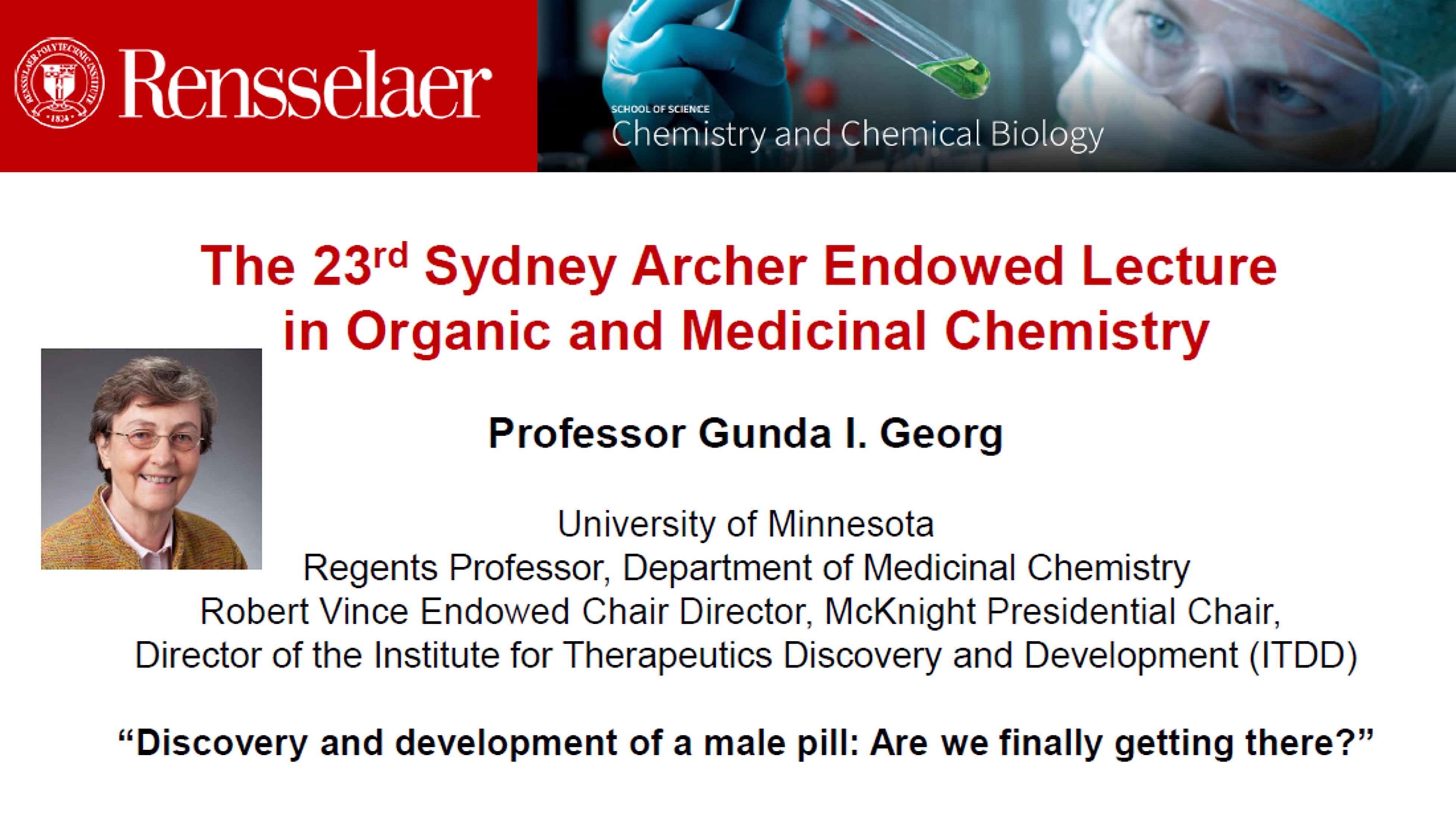
The Rensselaer Polytechnic Institute Department of Chemistry and Chemical Biology was delighted to have Professor Gunda Georg from the University of Minnesota deliver the 23rd Sydney Archer Endowed Lecture in Organic and Medicinal Chemistry on March 12, 2024. Thank you Gunda for your fantastic talk describing the discovery and development of the RARa antagonist YCT-529!
May 2023 - Rensselaer Researcher To Develop Drug for Rare Childhood Disease That Leads to Blindness
$2.5 million grant from NIH to fund design of new treatment for Stargardt disease
Rensselaer Polytechnic Institute’s Christopher Cioffi, Thomas and Constance D’Ambra Professor in Organic Chemistry, has received a $2.5 million grant from the National Institutes of Health, along with Konstantin Petrukhin of Columbia University and Gennadiy Moiseyev of Wake Forest University. The grant will enable the team to design a drug to treat Stargardt disease, a rare retinal disorder.
Stargardt disease affects approximately 30,000 people in the United States and is often diagnosed in childhood or adolescence. It is a rare form of inherited macular dystrophy associated with mutations in the ABCA4 gene, which is a transporter that plays a critical role in clearing retinoids from the photoreceptors. When it is mutated, visual cycle byproducts called bisretinoids build up quickly and cause damage to retinal tissue.
Currently, there are no treatments available for the disease. “Our goal is to develop an oral drug that reduces the excessive buildup of bisretinoids in the retina that is associated with Stargardt disease,” said Cioffi. “We will target RPE65, which is the rate-limiting enzyme of the visual cycle, to accomplish this. We hope to slow or even halt the progression of Stargardt disease and preserve central vision for these patients.”

October 2022 - Sydney Archer Endowed Lecture in Organic and Medicinal Chemistry
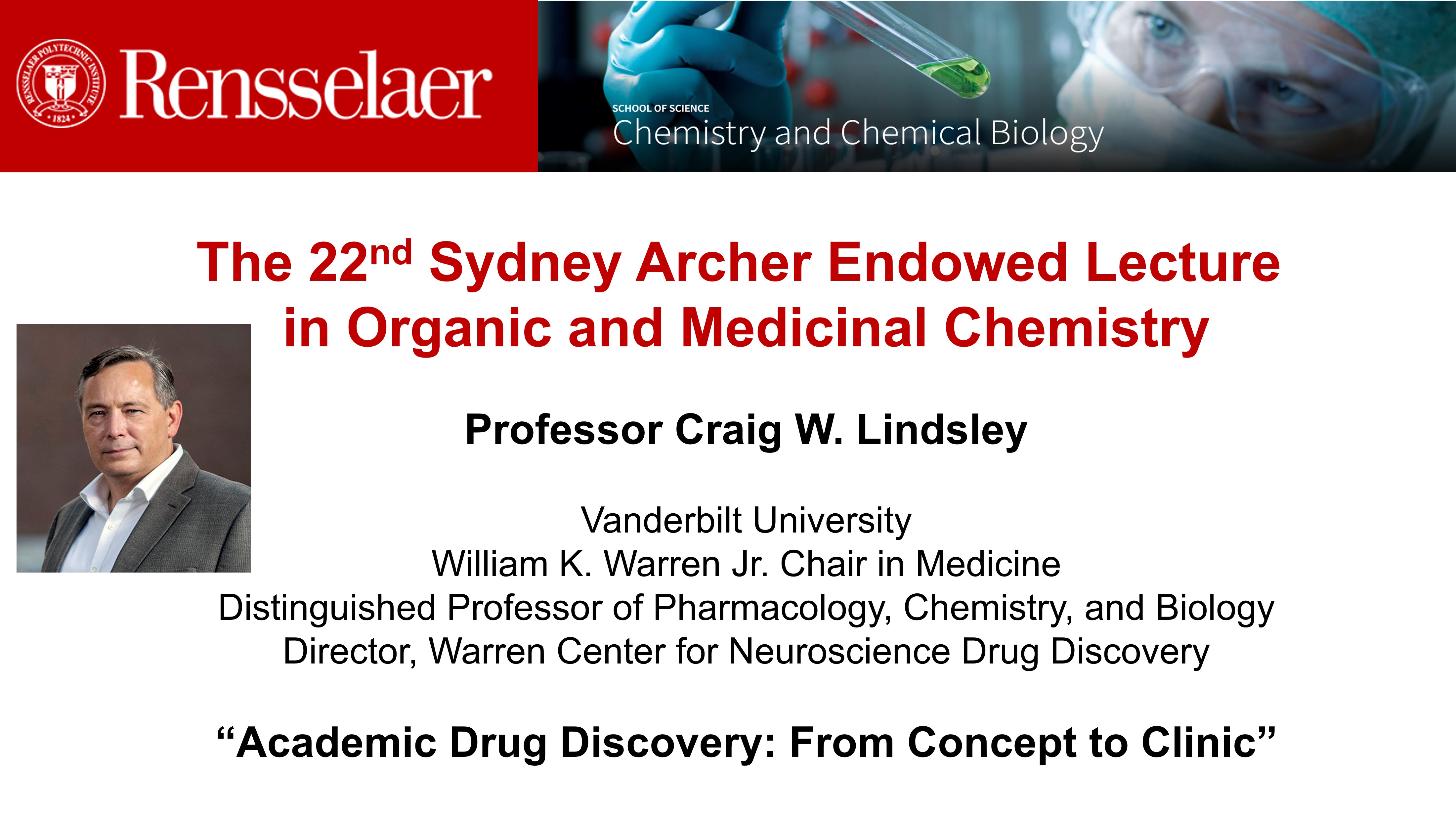
The Rensselaer Polytechnic Institute Department of Chemistry and Chemical Biology was delighted to have Professor Craig Lindsley from the Vanderbilt University Warren Center for Neuroscience Drug Discovery deliver the 22nd Sydney Archer Endowed Lecture in Organic and Medicinal Chemistry, October 18, 2022. Thank you Craig for your fantastic talk covering the recent advances that the WCNDD is making toward developing novel agents to treat Parkinson's disease symptoms and dystonia!
June 2022 - Rensselaer Researchers Receive $3.5 Million Grant for Development of COVID Antiviral Drug
Goal is to produce a low-dose, oral medication that can be taken at home
Rensselaer Polytechnic Institute researchers Gaetano Montelione and Christopher Cioffi will use a five-year, $3.5 million grant from the National Institute of Allergy and Infectious Diseases (NIAID), part of the National Institutes of Health (NIH), to develop a low-dose, oral COVID antiviral drug that can be administered at home. Dr. Montelione is the Constellation Endowed Chair of Structural Bioinformatics and Dr. Cioffi is the Thomas and Constance D’Ambra Endowed Chair of Organic Chemistry. Both are professors in the Department of Chemistry and Chemical Biology.
Rensselaer’s research is part of the consortium of a new antiviral drug development center, called the Center for Antiviral Medicines and Pandemic Preparedness (CAMPP), that will be led by Scripps Research. The center will be one of nine NIAID-sponsored Antiviral Drug Discovery (AViDD) Centers for Pathogens of Pandemic Concern.